Episode Transcript
Welcome and thank you for joining us today for MPC, Milwaukee's Philanthropic Community, where we bring awareness to nonprofit leaders and everyday heroes who are making an impact in our community through their generosity, their purpose, and their impact.
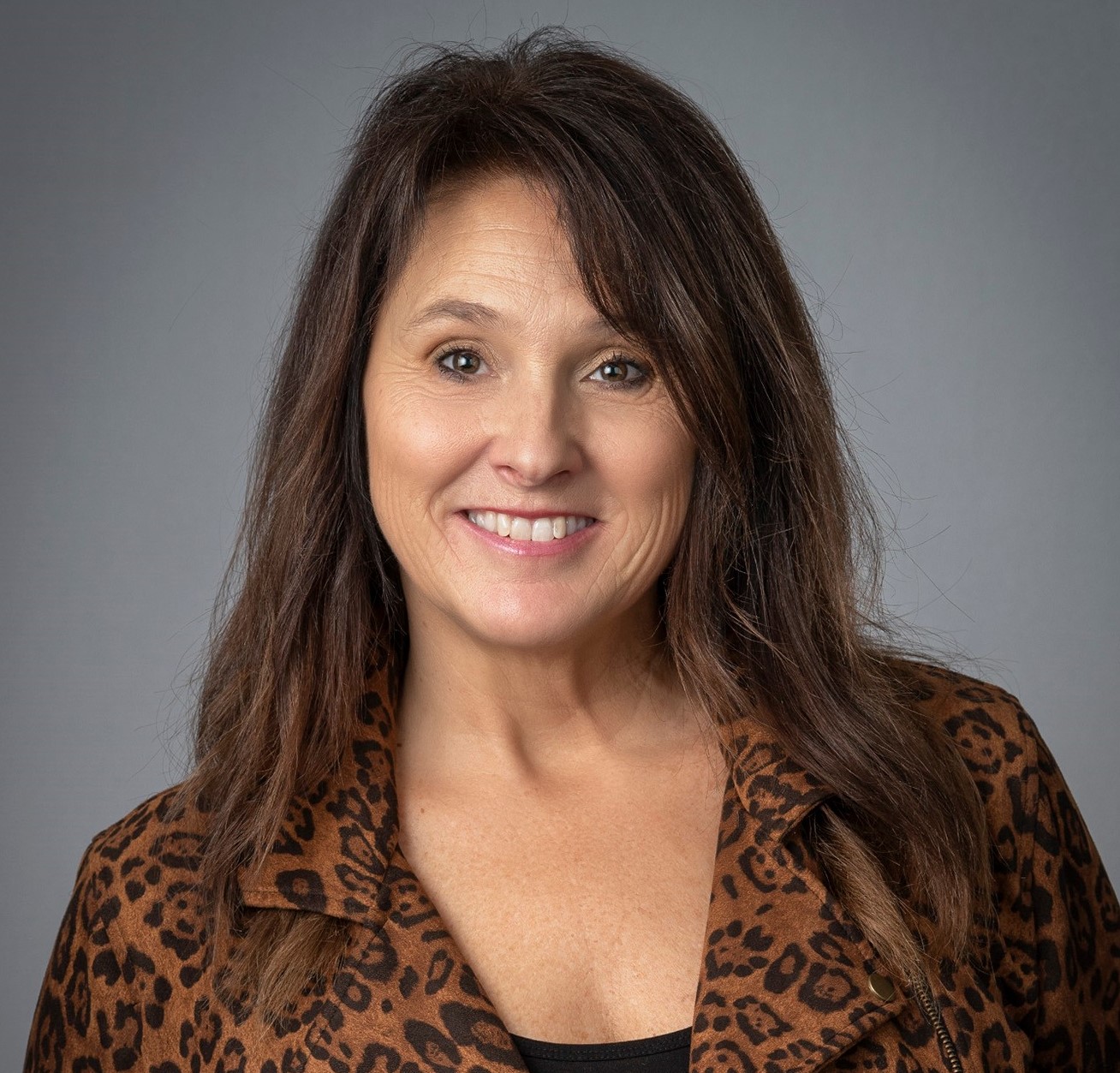
Welcome to MPC. Thanks for joining us today. I'm your host, Jill Economou, and today's show uh we're going to talk about what can happen when ordinary citizens decide they're no longer going to sit on the sidelines and they're going to stand up for what's right. Sometimes the people who change the communities aren't the ones that you might expect. They're often the ones who simply refuse to walk away. We're going to learn about a grassroots organization born out of tragedy and driven by the belief that accountability, transparency, and community involvement can indeed save lives. We'll hear how compassion became commitment, what they've learned along the way, and why everyone has the ability to make a difference in some way. Welcome to the show today, Jeannie Lupo, president and founder of Enough is Enough, a Wisconsin nonprofit dedicated to preventing reckless driving tragedies through community action. Thanks for being here today, Jeanie. Thank you, Jill. Thanks for having me and I'm very excited and honored to be able to share about our group and our work. When you do a a media interview, you don't get to share to this capacity. um you get asked a number of questions and they air two minutes two 20 seconds um of a slant that you know they want to show. So I appreciate the opportunity to just share openly about what we do. We are certainly welcome to have you and look forward to hearing all about the great work that you do. Why don't you start by just giving us an overview of who enough is enough is. Our group is called Enough is Enough, a legacy for Erin and we are an advocacy group. We are working to eliminate criminal reckless driving. And we do that our organization has three pillars and we focus on three they're very distinct areas. Judicial accountability, legislative advocacy and we call it outreach and education. So that's our community work. Um, judicial accountability focuses on transparency in the courts and our legislation work involves working with state leaders on changing legislation or just supporting that supporting legislation that they're already working on. And our outreach and education is um going out into the community to teach about what we're doing um but to also teach about the perils of reckless driving. And a lot of our our we look at cases in court, but they surround fleeing officers, fleeing the police and what the result of that can be because a lot of shortsighted decisions end in real tragedy. Well, speaking of that, um if you would be so kind to um share the story of Erin and why you felt that it was necessary to start enough is enough. Right. We started Enough is enough. It It was essentially at a service for Erin Morgensen. She was tragically killed in 2023, November 2nd. It was her 4th anniversary. She was she had just found out she was pregnant. She was 8 weeks pregnant and she was killed t-boned by a young man who chose to flee the police. He was in a stolen car that he had removed the license plates from the car to not be detected, although that's a red flag for police, but he was fleeing them at 117 miles an hour. And they had actually stopped their pursuit of him. It was less than a minute before he hit Erin, but he t-boned her. She was stopped at a light waiting to turn left with other cars doing the right thing following the traffic signs. But he hit her and then he got out of his car and ran away. Never checked on her, never stopped, just ran away to get away. And she was killed almost instantly. And this was right on like Capital and 100. Yeah. 100th and Capitol Drive, right? So he ran away and the police were able to locate him hours later at a friend's house. He was burning some of the contents from the vehicle that were you know would be incriminating. He was trying to cover up what what what had happened and he again tried to run away jump out of a window but they were able to apprehend him after the so this all happened and her funeral service was held ironically the the the first world day of remembrance in Milwaukee which is for traffic victims. Um, it would happen to coincide on the same day as her service. And at the service, I was talking with friends. Erin was my good friend's daughter-in-law. A number of us worked together for many years at Blue Cross Blue Shield and we were all together and one of the ladies said, "We we need to do something." Yeah. About this. And I never really pass up a challenge, but I understood it would be a challenge. But what what had resonated with me and I felt like there was a seed planted for me personally years ago the Waukesha parade tragedy had happened. Yeah. And in my mind when I saw what had happened there I could not understand why that man was out on the street able to do what he did. Who was supposed to be protecting the rest of us from that person? Yeah. And so similarly, this man had been out on three times probation. He was supposed to be being watched or supervised and he was getting into trouble. And so it was for me it was a reason to look further into why is this happening? Yeah. Why are so many people getting harmed by others who have have a criminal past and why aren't the rest of us being more protected from those actions? And so we didn't really know what we wanted to do, but we knew we wanted to do something. And so friends and family got together. I was lucky to I reached out to through a mutual friend to Bob Donovan. He's a state representative. And he responded to me right away. He didn't know what we were going to do either, but he responded to me in terms of wanting to talk about what had happened and what could be done. I have to compliment him. He, in my opinion, is a real statesman. He believes that people want simple things. They want safety in their neighborhood. They want their garbage changed, you know, taken away. We all want simple things, but we want to be safe. Yeah. And so he initially we our group worked with him. They were trying to pass legislation around it was they were elevating the felony level for um fleeing the police. And so we worked initially with him on that and we went to Madison and testified and wrote speeches and got everybody to got people that we knew to sign up and write letters to advocate for this change. And what that change was to have a mandatory minimum for if you fled the police and you caused great bodily harm or death that there was a mandatory minimum sentence for that crime. There are no other crimes in the state that have a mandatory minimum sentence. And so this was kind of a big deal to pass. And so we helped with that. It also increased the level of the felony. So, felonies in the state have different classifications that um are married to a range of sentences that can be granted. We helped pass that legislation. As I said in the opening, it takes people like you to decide not to sit on the sidelines and to stand up for what's right and and say enough is enough. Yes. You know, let's do something about this. You talked a little bit about it, but share the mission and what's some of the impact that you've had to date. Sure. Our mission is to eliminate reckless driving that results in injury or death of innocent people throughout the state of Wisconsin. And so we have our goal is to be across the state. We started our work in Milwaukee County and it's two and a half years later and we're still in Milwaukee County. And so we are we've been challenged in growing what we're doing. And we focused in Milwaukee because there's so much activity there and we decided we would look for court cases that are associated with fleeing the police. There are currently 60 a month that get recorded. Wow. We track We have We have actually tracked over and visited over 2400 hearings. Our open case load is over 1,800. Wow. Which is And the the sad thing about that is that's a fraction of the reckless driving incidents that happen. These are just people who flee the police once they're stopped. And 60 a month. 60 a month, which is a decrease in what we were originally seeing. We've had some impact on that case load. And so it's like anything where you have to raise awareness. Yes. I mean, to say 60 situations a month like that, I bet most people aren't even aware that it's that often. And so, the first point in my mind would be raise awareness about it. Let people know that this this is an issue. Yeah, you started to talk about court watch. Let's learn a little bit more about that. What is it and how does it work? Okay, so court watch came out of another um it was a a seed I guess a conversation with Bob Donovan who said, you know, he he felt like and we do feel the courts have a really important job in terms of keeping safety. um they make the decision at, you know, if someone's going to be going back into the community or held for a while to be rehabilitated or incarcerated for their crimes. And so just even going back to the Waukesha tragedy, that man was out on bail while he was waiting to be have his case adjudicated on a different crime. And so through discussions and through a lot of work with we worked with the district attorney's office we were so blessed that they were willing to work with us to help us understand how does court work, how what what cases to pull, right? And what we decided to do was zero in on fleeing the fleeing an officer cases that were at the time of their their sentencing. We felt like that's when the judge is going to make their decision. That's when the judge asks. So there's a lot of different phases of a person as they go through the court system, you know, and so at the end is when they're either going to have a jury trial and a jury decides what's going to happen or they're going to decide to plead guilty. And after that, then the judge makes their sentence. Both sides present their case and the judge decides what they're going to do with the sentence. So we decided to get involved in cases most cases at the plea and sentence phase of that. So we we pull those cases. We create a schedule for people to go to court and people sign up to go and visit court. Advocates of your members of our group advocates. We have about I would say 20 active members who facilitate this process. There are there are about 10 who regularly visit court. We have some who go on vacation, some people who phase in and out, and then we have a number of people that do behind the scenes work. They don't go to court, but they help prepare. So, we put a schedule together and people sign up to go. Okay. And the other big piece that we do is we write a letter to the judge asking, it's a community impact statement. Much like a victim impact statement or a character letter, but we write it from the standpoint of protecting the community. We ask the judge, we say, "Here are the facts of this case." Here's the background of this person. And there are three things that the judge has to consider. The character the character of the individual, the um the severity of the crime, and then the protection of the public. So, we're kind of just restating for the judge like these are the things you're supposed to consider, but from the standpoint of here's what the community sees and here's what the community wants. and we advocate for a fair sentence, but something that is going to protect the community. It's the judge's job to decide what that should be. Yeah. But that's what we do. And so we submit those statements, we file them, and then we go to court and we record the results. And I believe it was when I was visiting your website, it shows kind of what the results have been. Yes. And how they've been less than desirable, let's just say. Yes. And so if if anybody wants to check that out, they can they can do that. I'm curious if you collaborate with other organizations in the community to help carry out your mission because again, not not one nonprofit can can do it all and we need to rely on other nonprofits and what they do well and come together for the best outcome. Right? There are I think we've discovered so many different groups that are working on this problem or other problems in order to support a safer community. One that comes to mind, one of the first groups we met with was the coalition for safe driving and they are a group that is a actually a coalition of different businesses. They've worked probably seven to nine years in this realm. One of the big things that they did, their big accomplishment was bringing in Vision Zero. Um, Vision Zero in Milwaukee is a program that is um it's focused on making safer streets. And so they they're also focused on, you know, safer safer driving and, you know, promoting more walking, biking, that kind of a thing. And so we work with them also on when they were putting their plan together, we were asking them to take into account accountability for distracted driving or you know where's the accountability. We can ask people to change their behavior, but most behavior is going to change if there's a consequence or something happens. You don't want the most tragic thing to happen like in Aeron's case. And so we work with them. There's a number of different um groups. Vision Zero has now kind of I wouldn't say they've supplanted the coalition, but they've taken over a lot of the work that the coalition does and they sponsor the World Day of Remembrance every November 3rd Sunday or Saturday in November and that's to honor victims of traffic violence. Um other groups we've um so we've been in touch with um the community is one that comes to mind. um they focus on working with people who are leaving prison and getting reacquainted into society. And so they work on them on both sides of that um that formula um to help people. Um but beyond even some of the nonprofits or the other um advocacy groups, we're working with leaders. Um we're working with the Milwaukee Common Council and their committees. We're working with the DA's office. Um we're working with the police because what what we truly are advocating for is that all these groups together can solve this problem. Right. Right. And so everybody's really good at staying in their lane. They're really proud of their lane. Um but crossing over into those other lanes and getting all of that to work strongly together. Um is what I feel what we feel is what's really needed. Well, how have you been received? It's been a it's been an interesting journey. I can say that. Um we to say it nicely. Say it nicely. It's been a and and someone challenged us to have uncomfortable conversations and there have been many of those. We sometimes are accused of being um punitive and what we really are about is prevention. And so, um, we're looking to protect the community and we're looking to raise up victims and the community in terms of their sense of safety. And so, we one of the things I I missed with Courtwatch is that we we also have a whole family support section of Courtwatch. So we support victims and their families as they go through the court process um if they want us there because we feel that um what we learned is that victims are largely minimized in the whole formula of bringing someone to justice. They're just forgotten. It's terrible and it's very sad. We in in the beginning with court watch um there was kind of like a lot of uh eyebrow raising and you're going to do what and um while we were told that court is a public place there was a lot of less than desirable less than desire um right and every court is different and every judge is different and they're proud of that the judges will say this is my courtroom this is how I run it and they're allowed by the state to do what they want to do in their courtroom and so there was push back in the beginning. Um there was a lot of push back from defense attorneys. Um there were there was push back from some of the judges. And so again, we did our work. We we we kind of doubled down and we came up with a statute that asks the court says um the judge um may there's a difference between shall and may. The jud I think shall means you have to. May means you can um accept a statement from any other individual. And so and some courts started doing that. Some courts really use our group to hit home to a defendant that the community is tired of this activity and they wanted to stop and you just contributed to a problem. And so some judges will use us, some defense attorneys will use us. Um but um there's um there the the support came slow but it did come and the acknowledgement and our credibility I think came but it came slow and so um I think we became a presence. We've been there for we've had four reports produced. Um we've been there for it was two years in April. They're used to seeing us now and so going away right you're standing up for what's right and Yes, it there are many ways that nonprofits can measure their impact. Um, we call it pop or proof of performance. You can use data analytics, uh, stats, inspiration stories, you know, all those things. Um, so we're actually going to take a break, but when we come back, we're going to do a deeper dive into all of those things. So stay tuned and we'll be right back.
Milwaukey's philanthropic community is [music] brought to you by Ellen Becker Investment Group. This year, EIG celebrates 30 years of thoughtful growth, personalized service, and community [music] impact. From a kitchen table vision to a boutique wealth management firm, EIG has always put people first, offering transparent advice, [music] fiduciary care, and education that empowers families for generations. To learn more, visit ellenbecker.com. [music]
Welcome back to MPC, Milwaukey's philanthropic community. I'm your host, Jill Economo, and my guest today is Jeannie Lupo, president and founder of Enough is Enough. So, Jeanie, tell us what the data shows. We we've collected data for um since April of 2024 and um our findings um one of the biggest things that we started to record was we called a judge leniency. Um our measure in the sand is um the district attorney u makes a recommendation of a of a sentence um considering all the facts and character and everything of the case. a defense attorney gives their um proposal, but we decided to measure the judge against the district attorney um the recommendation. And so that was just something that we decided early on. And in our first measurement, it was that 72% of the time the judge ruled more lenient or less strict than what the district attorney was asking for. And so that was our first measurement. And over time after our last report has shown that now they're at 52%. And so we feel that we've had influence getting better. It's still only half of the time. Um we're not moving in the right direction. It's moving in the right direction. And you know we're not advocating that everybody gets thrown thrown away. Um but that um what we see what we were seeing very often was that repeat felons were getting probation. M um and that was a problem for us because we felt like if you had a chance, if someone gave you a chance, you had a an incident and whether you finished your probation or not, but you found your way back to committing another crime, um you shouldn't be entitled to probation. You should, you know, it should be a stiffer sentence. Wisconsin state um the statute definition for a felony is that um you should serve at least a year or more in prison. And so we kind of use that as a basis. So we've moved it. Um it's a that's a great measure, but we're asking we asked the court for no probation for repeat felons. Um the other thing we see a lot is that um a lot of dismissed and read in charges. Um and the things that are getting dismissed and read in sometimes are the fleeing charge because somebody has other other charges with that. Um, but we're we've asked the district attorney's office to stop doing um don't dismiss the guns, the gun charge. Don't dismiss the drug charges. They are things that really happen. Um the judge can use that as a basis for what they sent, but um that charge essentially goes away. And so we we don't agree with that either. Um we've had truth in sentencing in Wisconsin. We feel that there should be truth in charging. And so um we we we've also seen that the median we started to measure the median sentence. So there's a range of sentences that could be had. The median sentence is actually getting a little bit harsher um over time. So we feel that we've had an influence just by reporting the numbers. Um and so those are the three biggies. One other thing that we've learned is that the court is um quite inefficient in terms of resolving cases. And so we've been vocal about different things and started to measure different things about the court efficiency because that could certainly be improved. Tell us um specifically then how your work has made a difference. Again, you're moving the needle certainly, right? Um but give us some some ideas about how the work is making a difference. We um from the beginning have advocated that um victims need to be supported and represented. There is a victim advocates office in the district attorney's office and they do a fabulous job. What happened at the very beginning of Aerin's case, we were at the preliminary hearing which is when they decide if there's enough evidence to bring bring that case to trial. Um Erin's sister actually um she did something that um resonated and and was the basis of our family support. And so the less than 24 hours of Aaron's crash um there was another that killed three women. Um there was a guy that was driving recklessly. He was impaired and he killed three women. And that case, you know, the the media highlights certain things, but that case was kind of just it was a understudy, if you will. You know, Karen Erin's case was really truly egregious. But these three women died. Their preliminary hearing for those cases for that defendant was the same day as Aaron's. And so we were in court. There was one person there. We had a lot of people. We had Erin's family and friends and um and this one woman was there to um represent um one of the people who was killed and her case was coming up before ours and she was just beside herself. She was sobbing. This is I mean that whole process is so emotional. Going to court is like reopening that wound every single time you go. And so Aaron's sister went and sat with this woman, consoled her and sat with her during the whole time they were listening to her case and um we just remarked that in her own grief that she was able to reach out to someone else. Yeah. And offer that. So that was kind of the basis of our family support and that's what we do. So that's a um to me that's a success because families feel supported. um they don't always have their questions answered, but somebody actually sitting with them in court is is a big it's it's a big support for them. Yeah. It just speaks to who Aeron's sister was and who Aaron was, right? Yeah. You know, that she she herself was suffering. Yes. And then took it upon herself to to help somebody else to help someone else. And that's what we see that's what victims do. Um, we see that a lot. A lot of victims have turned around and started their own organization to help others. Um, it's remarkable to see how people do that. Yeah. And cathartic as well. Yes. You know, if somebody listening is saying to themselves, enough is enough. And they want to get involved, they want to support you in some way. um what can they do to help and how do they contact you? Sure. Um so contacting us is easy. Our our um our website ene4arin.org. Um we have um there's places on there to contact us, you can fill out just a simple form um to either sign up to follow us or if you want more information about any of our programs about courtatch or legislation or outreach and education. Um so that's there. There's a there's a donate section there as well. Um and um in terms of actual um action, volunteering for court is not everybody's thing, but we also we always want people in court. In fact, that's I was saying earlier, it's been difficult to generate a lot of people to do that work. Um we have very dedicated staff but if if anybody is interested in that once a month, once every two months, once a week, we will take you. Um we also look are looking for um loan executives um or inind service type of um efforts from people because we could use help with leadership. We could use help with expansion um all those things that I think a an established organization um would have but we're all volunteers. We're completely volunteers and so those types of things would be really helpful. Um, another way that people can help is to vote. We always bring this up. Judges are elected officials. Your community leaders are elected officials. Know who you're voting for. And um, make sure that you make that vote count and that you're selecting someone who is going to lead you lead the community in a direction that you want it to go. Upcoming community events. We have community events coming up. So this weekend actually one of our victims who was twice a victim, she lost one daughter to traffic violence and less than and that daughter had also been injured in the same crash and that daughter was lost to gun violence less than a year later. Oh my goodness. She has formed the Dunore Family Foundation and this coming weekend they are having it's the first annual they will have it I believe every every year in August. It's called Fighting for Futures Without Fears. It's just a gathering in the park. They're going to do a walk. There's going to be food, but it's um for people of the community to come together. She wants the violence to stop. The community is bleeding, literally. And um so there's going to be resources there for all types of violence, domestic violence, traffic violence, gun violence, and so resources for people who need help with that. and um just a way for the community to come together in a more positive way, right, to say we want to be safe together and we want to solve these problems together. So, that's one. Um another mother who lost her daughter is having a fundraiser on the 23rd. Um it's called Forever 19 and this mother is raising um money to donate to other organizations like ours. We're humbled that they are going to honor us this year. And so, those are two that are coming up that are very important. World Day of Remembrance is in November, every November. Okay. Wonderful. Well, um, any closing thoughts as we come to a close today? Um, one important thing I want to say is I want to thank all of our Courtwatch volunteers and helpers. Um, we couldn't do this work and we couldn't continue without them. And so, um, we keep we're we're told all the time that we're making a difference, but those people are grinding, you know, every single day, and they need to know that that work is important and um it is making a difference. Um, yeah. What about the the website one more time? You enfor.org and then our email address is ne4gmail.com. either works to get in touch with us and um we will respond to you. We have a Facebook page and a Facebook group if you just want to follow our work. Um we have over 300 um followers on each of those platforms. Um people just want to watch and see what's going on. Yeah. Well, I think if if this is something that uh resonates with you, maybe you've had a personal experience, um maybe it's just you saying enough is enough. Yeah. And you want to stand up for what's right and you want to make our community safer. So if enough is enough, the mission of enough is enough resonates with you and you'd like to get involved in some way, reach out. I'm sure you can just Google enough is enough and it'll get to you um to support the great work that uh that Jeanie and all of her advocates and the people that she works with are doing. So thank you so much for being here today, Jeanie Lupo. uh founder and president of Enough is Enough. I just appreciate you sharing the story, sharing um uh what happened with Aaron and and how people are coming together to um to make things better. You know, we always say that uh you know, we want uh adversity to uh have some kind of positive outcome. Um, and it's tough to hear that, but um, you guys are doing some positive things and I'm sure Erin is is very happy with the work that's being done. One thing I could add is that um, we always tell people, I mean, we we refer people to other groups um, if we're not doing the work that they need, but you don't have to do our work, you don't have to work with us, but everybody should be doing something. Absolutely. To change to change the problem. Yeah, everybody can do something. Everybody can do something. Uh not one person can do everything, but every person can do at least one thing. So yes, I agree with you there. Uh so again, thank you for being here and sharing your impact and sharing your story. Thank you. Uh I invite you to join us every week when new episodes drop on Thursday mornings where you're going to learn about great nonprofits doing great things in our community like Jeannie Lup from Enough is Enough. You'll also learn how you can make a difference in some way. We often get asked uh by clients and just people that we talk with uh about organizations that align with the individual's particular interest. And there are so many great people doing so many great things in our community that I invite you to follow us uh and just find out who these great people are and who these great nonprofits are. So uh every Thursday morning a new one drops. So again, stay tuned for another great one coming. And as always, uh if you're out in the community, if you're at work, if you're at home, find a way to be a blessing and give a blessing. Have a great day.
Thanks for listening [music] to this episode of Milwaukee's Philanthropic Community brought to you by Ellenbecker Investment Group. If something in [music] today's conversation resonated with you, share it with a friend or family member. And if you haven't already, [music] subscribe so you never miss an episode. At Ellenbecker Investment Group, we believe education [music] and community impact go hand in hand. That's why we love bringing you thoughtful insights from leaders and organizations who care [music] deeply about making a difference in Milwaukee and beyond. Please [music] note, this podcast is intended for general informational purposes and to highlight philanthropic efforts in our community. The opinions [music] and missions expressed on MPC do not necessarily reflect the opinions of Ellenbecker Investment Group employees and leaders. [music] For more resources, visit ellenbecker.com. We'll see you next time.