Episode Transcript
Welcome and thank you for joining us today for MPC, Milwaukee's Philanthropic Community. We bring awareness to nonprofit leaders and everyday heroes who are making an impact in our community through their generosity, their purpose, and their impact.
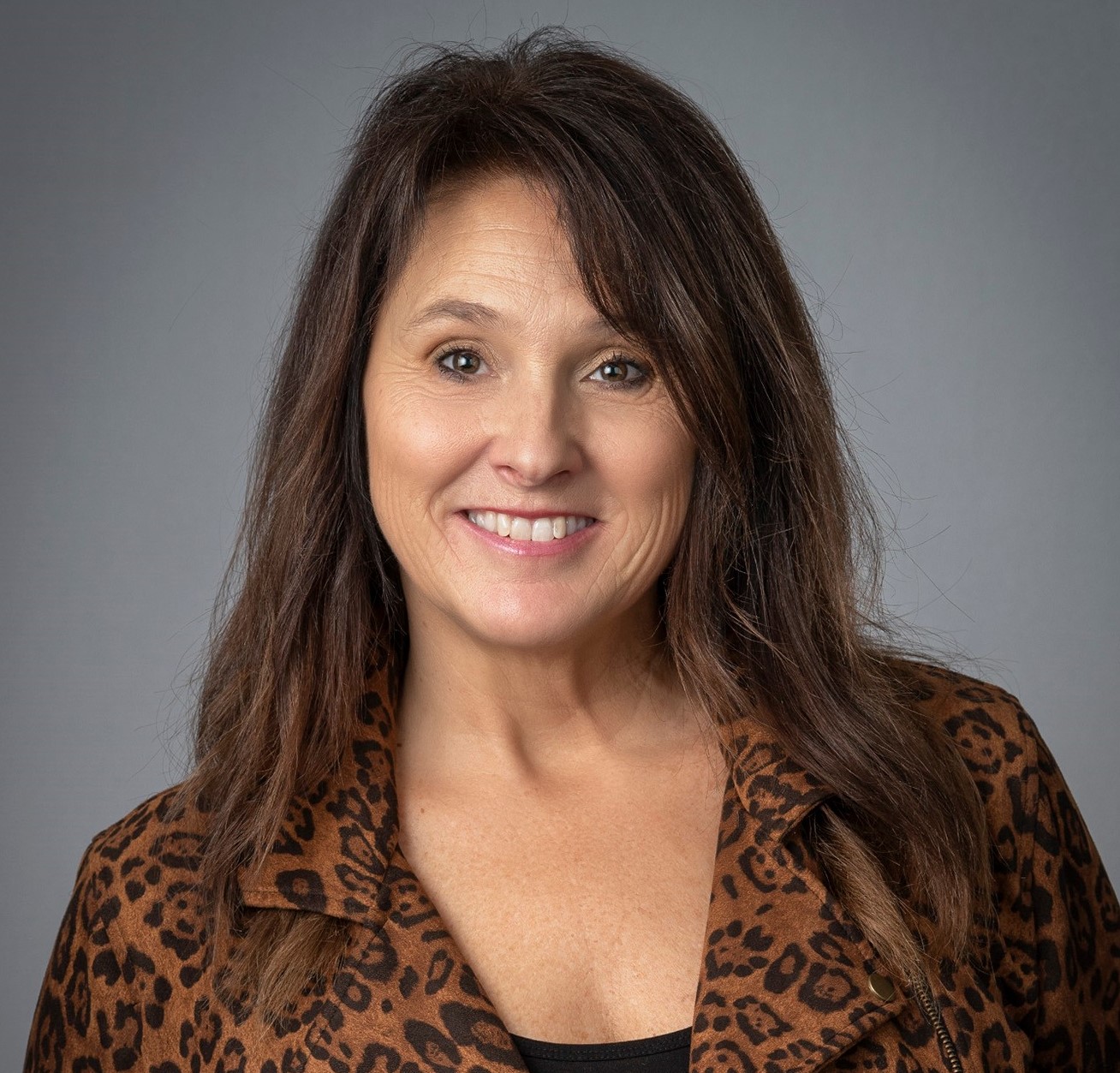
Welcome to MPC, Milwaukee's Philanthropic Community. I'm your host Jill Economou. As a kid, I used to think, how old am I going to be in the year 2000? Which seemed at the time to be light years away. Now as a baby boomer on the very tail end of that age group and with aging creeping in, I wonder what's it going to be like when I'm 70, 80, 90? My mother's 91 years old, cancer survivor, and other than normal age-related degeneration, she's doing great and I can only hope to be as she is at that age. But there are some things that I did in preparation for this interview that that I came across, some interesting stats that I think you would be interested in knowing. And that is the 85 and older population is projected to be just over 14 million in the year 2040. And the population age 65 and older is projected to reach just under 94 million in 2060. That's a lot of people needing services. That's the aging population. What about another population that is growing in numbers? The disabled population. Nearly 30% of US adults have a disability and stats show that just over one in four of today's 20-year-olds will become disabled before they retire. I'm sure they don't want to hear that, but that is a reality. That's what the stats show. And here again, a lot of people needing services. So providing these much needed services to the aging and disabled population? Well, let's find out. Our guest today is Kathy Glaser, dementia care specialist from the ADRC or the Aging and Disability Resource Center. Thanks for being here today, Kathy. Sure. Thanks for having me. You're welcome. So, let's start by you telling us what exactly is an ADRC and who does it help? An ADRC was created to pull together services that assist people over the age of 18 with a disability or anybody over the age of 60. So, as you can imagine, that's a lot of different programs. They had been scattered all over the county and all over the state of Wisconsin and it wasn't helpful to people to try to find what they were looking for. So, each county in Wisconsin has an ADRC. It isn't a national model, but it is the envy of many other states because it is easier for consumers to find what they're looking for. So, it's this one-stop shop as a place to start looking for services, resources if somebody's over the age of 18 with a disability or over the age of 60. Okay. Well, that's great because I can just imagine I know what it's like for my own mother, as I said in the opening, uh at 91 years old, not knowing who to call. Mhm. And and then if she's got 10 different numbers she's got to call, who did she call and what did they say and who who who who does what, you know, can be very very confusing. Talk to us about some of the services that you provide. So, people call for many different reasons. Some people are looking for funded programs. They've run out of assets and they want to go to assisted living or they need home care and so they're looking for kind of that traditional Medicaid long-term care programs and we have a piece of that that we do the functional screen to see if people are functionally eligible for those programs, help them do applications. People call us for a lot of benefit programs. So it might be that people are under the age of 60 working with our disability benefit specialists and talking about insurance and talking about um a disability application, you know, all different kinds of things that um come up in their life when somebody's disabled. Or it might be somebody working with an elder benefits specialist. Right now pretty soon we're going to be coming up on Medicare D again. So um when we're looking at that every year people are re-looking at prescription drug coverage and and that's a lot for an older adult to be thinking that they have to figure that out every year and make sure they're on the best plan so their medications get covered. It's a great program but it's challenging. So people call us for that. People call us because they're not driving anymore and they need transportation options. So we might connect them with private um companies. We might give them a a van pass for the county a taxi pass that allows people to be uh transported into different areas at a lower rate. Um so that that's something that people connect with. They also might connect to some of our partner agencies like ARES and have their volunteers um drive them to appointments, drive them to doctors um appointments. organization. Yeah, my mom uses that one. That's been a lifesaver. They are fabulous. Yeah, exactly. And also people um contact us just because they don't know who else to contact. They're sometimes looking for wording. They You know, they're This is the problem I'm having. And And then if we can give them wording and connect them to who might be able to help, that often is what our information assistance specialists do too. Okay. Well, what about your role specifically? What service do you specifically provide? You, Kathy Glaser. I, Kathy Glaser, am a dementia care specialist at the ADRC. Jennifer Harders is our other dementia care specialist and and our focus is working with people living with dementia, their family, friends, neighbors, um doing community education, working on brain health, uh uh working on making our county services more dementia capable Mhm. that when people living with dementia are trying to pay their taxes and are having an issue the that entity would know how to best help them or to identify that hmm I wonder if this person is having some changes that are making this transaction more challenging. So all those kinds of things. Okay. And I think too if if we think about our parents and what they struggle with, we can understand that there's got to be a place out there that can help us because I know when my mother calls me asking for assistance, I don't have all the answers. I have no idea or I I am working. I don't have the time to make all these calls on her behalf. So I think it's it's so crucial for our community to know that there is an ADRC in Waukesha County that can help you get connected to the services that you need, whatever they happen to be, right? Why did you personally get started in this in this work? Well, it it has appeared in my work in many different roles. So I started off uh working in a subacute rehab and I knew that people were struggling with follow through because of cognitive changes. Did case management, managed an adult day program. In each of these entities, there were people living with dementia that were struggling in the community. When we're thinking about that and people living with dementia, we we often think about people being in a nursing home, being in assisted living. The bulk of people are at home. So how do we help them at home? How do we preserve their independence? And and that is the piece of being a dementia care specialist that was very rich to me because it's working with those folks and maximizing their abilities, putting in supports when needed, but also making sure that our communities have those supports in place so they can function as independently as possible. And that's the broader view that drew me to this role. And when Wisconsin developed it about 10 years ago, I worked in a county that was part of the second pilot. And now we're very, very lucky that every county in Wisconsin has a dementia care specialist. That's that's awesome. And again, the best place for in most cases for elderly is in their own home. Exactly. And if we can keep them there, think of how that has a domino effect, right? So it's so crucial the work that you do. And it feels like I keep hearing about someone getting a dementia diagnosis. Are the numbers rapidly increasing? Well, because the aging population that you referenced earlier is increasing exponentially, age is the greatest risk factor for someone to develop a form of dementia. Right now the stats are somewhere around one in nine people over 65, one in two to three people over 85. So yeah, those stats that if you do the math, they they are a huge Absolutely. And we also have seen more and more younger onset people. And that's an interesting part. So when we're thinking about young onset, we're talking about people before the age of 60. The youngest client I worked with was 28. And so she had obviously the genetic variant. She, her mom, her aunt. And that's a whole different ball game when a 28 year old is going into their primary care office and saying they think they're having memory changes. And so then the conversation for younger people is are you stressed? Are you fatigued? Is it your job? You know, everything. Are you depressed? Everything but could this be dementia? Right, right. Cuz who would think that at that age? Exactly. Exactly. Yes. Wow. Um, well, so the numbers are increasing. We've established that. Um, so there's more people taking advantage of your services, which is great. Um, are there income or asset level limits for your programs and services? So when you're talking the greater ADRC, yes, there there are grant programs, federal and state grant programs that have income and asset limits and those vary by the program. Working with a dementia care specialist is part of your tax dollars. So there are no Okay. no cost for our services. Um, memory cafes, different dementia friendly programs that are occurring around the county are also free. So they are opportunities for people to be connected and that's really what we want. You know, we are seeing more and more older adults that are becoming socially isolated. Social isolation is a huge issue. Depression looks a lot like dementia. Um, so we're thinking about what does that look like too for people to be engaged and connected. That's the other reason people call the ADRC is because they are um not connected, disconnected. You know, we certainly saw that during COVID, right? And the toll that took. And so sometimes we're connecting people to senior dining or to health promotion activities. And that's how they're first connecting with us, not based on their memory changes, but based on other things they're interested in. And those all go together with brain health. And so sometimes it is that collaboration and looking at what else is out there to help people live their best life cuz that's what we're all looking to do. Well, so we've been talking a lot about dementia, um in general terms. What about Alzheimer's? Is it the same thing? Right. Um, we're going to actually take a quick break, but when we come back, Kathy's going to address that question. So, stay tuned.
Milwaukee's Philanthropic Community is brought to you by Ellenbecker Investment Group. This year, EIG celebrates 30 years of thoughtful growth, personalized service, and community impact. From a kitchen table vision to a boutique wealth management firm, EIG has always put people first, offering transparent advice, fiduciary care, and education that empowers families for generations. To learn more, visit ellenbecker.com.
Back to MPC, Milwaukee's Philanthropic Community. I'm your host Julie Economou, and my guest today is Kathy Glaser, dementia care specialist from the ADRC or the Aging and Disability Resource Center. So, we talked a lot in the first segment about dementia specifically. Uh, there's also a lot of talk about Alzheimer's nowadays with 7 million Americans living with it. Is Alzheimer's disease and dementia the same thing? That's probably one of our most common questions and the things that people really want to know, so I'm really glad you asked that. It isn't. Dementia is considered this umbrella of symptoms. So, under that umbrella are short-term memory changes, which is the hallmark of Alzheimer's disease, but it can also be other types of dementia that has different symptoms. So, if someone has frontotemporal dementia, that's the front of our brain, that might mean that their communication is very different. They may have issues with impulse control or they might have issues with executive function, and that looks very different than Alzheimer's disease. Okay. Um, when we're thinking about that and thinking about, okay, these folks don't have short-term memory, but some memory loss, but something's going on. What is it? It still may be under that dementia umbrella, but a different form. And so Alzheimer's is the most common type of dementia, but they estimate somewhere around 75 100 other diseases cause the symptoms of dementia, which like I said could be that change in communication. It could be that people are having a harder time with managing their finances. It could be that they're getting scammed often. It could be that they're very impulsive. You know, there are there are many other symptoms that aren't short-term memory that fall under that umbrella. Oftentimes they're talking about people having um possibly multiple kinds of dementia happening at the same time, so maybe Alzheimer's and vascular dementia. So that can look different. Lewy body dementia is a dementia that people have a lot of hallucinations and sleep restless sleep issues with. And so that looks very different than this um short-term memory Alzheimer's symptoms. So yeah, so there's a lot of different diseases under that dementia umbrella and Alzheimer's is the most common. Okay, is there a cure for Alzheimer's? There is not. There is um research and medication on medications that help slow the progression. There also is a lot of research being done now because there's a blood test for Alzheimer's disease, which is an interesting um piece of research because when people are symptomatic with Alzheimer's disease, researchers believe they're probably 20 years into the disease process. So a lot of damage, a lot of cell death has been done in someone's brain by the time they're symptomatic. So now when they can look at people much earlier in um seeing what is happening in their brain, they've developed other therapies that they feel will be more effective in the long run. Right now, they're, you know, through research centers or or memory loss centers that people are being connected to that, but it is exciting to think that you could change the impact of this disease before so much cell death has occurred. Right, by being proactive. So this is not necessarily something covered by insurance. It's No, and it and it um is unfortunate because Yeah, yeah, exactly. And it it That's a whole another conversation. And and also doctors are a little leery about doing a blood test and telling somebody you have Alzheimer's disease if they're not symptomatic because they don't have a cure. Right. And so if they don't have that issue for 20 years, what might happen to us in 20 years? Who knows? But if we're carrying that burden of having this diagnosis, then that could make things much more challenging, right? So Help us to understand the difference then between dementia and normal aging brain changes. You know, when we were in our 20s, if we forgot somebody's name, we didn't really care. We just asked him again, right? I forgot your name. Now, I don't know about you, I'm in my 60s, it's like, oh, what are they going to think if I don't know their name? So you don't ask, right? When we're thinking about normal brain changes, we're thinking about things like I'm going to tell you all about a book I read and now I can't remember the author or I can't remember the title. And when do I remember? 2:00 in the morning, right? Okay. If uh tomorrow you say to me, hey, did you ever think of that book you were telling me about? And I say, what are you talking about? That's not normal aging, okay? That forgetting things and it coming to us later is uh that isn't. If we are losing things like our keys, like our glasses, whatever, we have to Even though they're right on top of your head. Exactly. I think, okay, my car's here, so my keys are here somewhere, right? So then you have to retrace your steps, right? You have to go and and think about what purse you had, what jacket, what pair of jeans did I wear last night, you know, and And you're saying that's normal? That's normal. Okay, phew. If you can't If you can't do that, if you can't do that retracing of steps, that's concerning. If you keep losing things and then often are accusing people of stealing things from you, that's not normal aging. So um when day-to-day tasks have become difficult because of changes in someone's memory, that's when we're paying more attention to what also. So I might get distracted when I'm cooking and have to go back and relook at my recipe, figure it out again, and it turns out just fine. If all of a sudden everything I'm cooking is not turning out because if somebody distracts me, I can't get back to where I was, Okay. that's more concerning. So And it was described to me one time um and it may have been when I did had ADRC as a guest before, but they said if you misplace your keys, like you talked about, you can't find them, what did I do with them? That's pretty normal. But if you find your keys, let's say in the refrigerator, Mhm. then you're like, mm that might be a a sign um that something's going on. Yeah, this piece of of um unusually putting things away or stashing things or hiding things or not being able to discern what's junk mail and what's Mhm. important mail, you know, that leads to a huge issue for the people that we're dealing with that are having such issues with scams. Oh, sure. Waukesha County number one in scams right now. And and we are really under the gun to be thinking about what else can we be doing to help people protect their assets because often times once assets are gone, they're gone. Right. And um we don't want people to be victims in in this county or anywhere, obviously, but that is one of the things we talk to families about. Okay, how do you know? You know, people tell us all the time, oh, they're fine with that. And our question always is, how do you know? Mhm. How do you know they're doing fine paying their bills or managing their money? What what kind of things can you put in place to make sure that that they are? You know, and so sometimes it can be a son in California that has bank account information and just is double checking that all the transactions that are going through the bank account are legit. Right. And that is just that check and balance. Somebody's um helping to set up a pillbox and looking at it every week or two and seeing that it is good to go still and that meds are being taken on time. So Getting a second pair of eyes on the situation. Exactly. While allowing the person to maintain their independence, right? All of us want to be an independent, right? And so the last thing I want to do when I'm going out talking to people is to say here's what you have to give up because this is your diagnosis. And that's people's greatest fear. You know, if you say you're coming from the county, people are worried, right? So the first thing I say to people is it is not my job to take somebody out of their home. Mhm. That isn't my role. you want to keep them there. 1,000% exactly. Exactly. Well, does a uh a DCS or dementia care specialist only work with people living with dementia? Well, we work also with what we kind of refer to as the worried well. So if you have a history of Alzheimer's in your family, that feeling about is what I'm experiencing normal aging or is it something different is heightened, right? Because it's like, oh my gosh, this is what my mom did first before she got dementia. So um we do a lot of memory screens with people which we kind of refer to as a blood pressure check for your brain. You do some screens, you get a number on a scale, and you know where you fall. And then we talk a lot about brain health because that's what we all should be doing, right? We have to do what we can to protect our brain. When I was talking about um uh multi- forms of dementia, vascular is often one of the ride-alongs, if you will. So Alzheimer's and vascular. If we do things to protect our heart, to protect our head, we can reduce our vascular risk and that would be really key to people as they're going through the dementia process. So Okay. Well, what does a a dementia-friendly community look like? Yeah, that, that's the reason that I love this role is because, in addition to the work that I'm doing as a DCS and working with people with their families, we really want to change what our communities look like. Because when we're thinking about people I think I mentioned, um, 75% of the people living with dementia are living at home. Mhm. And of that 75% 25 are living alone. Mhm. So we have a lot of people out there that are functioning in our community. So what does our community look like to do better? What does it look like to be able to go to a restaurant and place an order? You probably have about a dozen decisions to make if you are trying to place an order at a restaurant. What does it look like if that waitress takes their time, offers you a couple options, asks things one thing at a time instead of 12 things at a time? Mhm. What does it look like if someone is at the grocery store and they're struggling to pay and the cashier says, we're fine here. We have we have time. Take your time. Mhm. And the person behind them isn't rolling their eyes and huffing and you know stressing things out. Um when people we were talking about frauds and scams, what does it look like when our financial institutions can spot that sooner? Mhm. Can say, ooh, that's a flag, you know, from the tellers on up um to say, why's that person in here with them and exerting maybe more force than they should in what doing. So, And educating people. I mean, that's what we do at EIG. We've we've had uh an increase in frauds and scams awareness with our clients just because of the fact, as you said, that it's increasing significantly, unfortunately. But getting ahead of it, like you say, is so important. Educating people to the fact that, first of all, it exists, Mhm. and this is what you can do to protect yourself. Right. Right. Well, and and Ellen Becker has also been involved with Dementia Friendly P Waukegan in providing education for what should you have in place. Mhm. You know, what does planning look like? What does it look like if something happens to your caregiver? Mhm. Who can step in? Who knows what is what? Um you know, what what other things can you do to best assure that you are taken care of even if you can't take care of yourself at some point or make those decisions? And honestly, you know, some of that is things that we should all do. Mhm. Everybody over the age of 18 should have a power of attorney for healthcare Mhm. because we assume others can make our decisions. And And they can't. So, um and we want to know who can. So, those are all real important things to do. And I think it starts with education because how can you make a clear decision, an educated decision on something if you're not informed? Right. Right. So, it I think it kind of starts starts there, right? Um can other people call the ADRC on behalf of a family member or a friend, or does it have to come from the individual themselves? A lot of times other people are calling. Um neighbors, children, a variety of folks. Um and that's fine. And we can give them general information. If we are going to meet with the person, and this is for any ADRC services, it has to be with their consent. Okay. they they have to agree to meet with us or want to meet with us. And that can be as simple as that daughter's at mom's home and says, you know, you're going to call this person, can you just say yes, you do want to meet with them, have them come out and do a visit, you know, what that looks like. So, um we sometimes have many many conversations with people and never meet their their family member because they haven't wanted to. Oh, sure. we um uh sometimes are meeting with multiple children in person or or on virtual teams cuz people are all over the country and talking about what are people seeing, what can be better ways to communicate, what might behavior mean. We use this term behavior all the time and behavior is communication. So what are they trying to tell you and what can be put in place that makes it um more workable to them that that helps people with their safety, security, uh lessens their stress, helps them best function, right?
Yeah. you can't do it all. No. I mean, I'm thinking about myself and in the instance of my mom and um I I don't know everything there is to know obviously, nobody does. But have people come alongside you to say, okay, Jill, uh this is what you're experiencing, this is what you need to do or this is the person that she needs to connect with. It's so important not only for the person experiencing the issue, but also for the caregiver. That's why we have um uh we've had seminars, uh in information sessions about caring for the caregiver cuz it's so important, right? Yeah, there's some um harsh stats related to caregivers of people living with dementia and it's about 40% of caregivers pass away before the person they're caring for. Oh, wow. of taking care of yourself is vital. Yeah. And so what we talk about all the time is if you don't take care of yourself and something happens to you, what happens to your spouse? Yeah. And and the answer generally speaking is they're gone, they're not home, right? They're in assisted living. They this this whole plan falls apart. And so um we need to take care of caregivers. Um everybody ends up either being or needing a caregiver at some point in their life. And so if we can get better at that too and thinking about what does that look like to to help a caregiver? What does it look like to validate what a caregiver is experiencing? Not to one up people, right? But just to say, wow, that sounds really hard. Mhm. And think about then, you know, what can you do or what does that look like? What does that communication conversation look like? Because we're dependent on family caregivers in the you know, our system is dependent on that. And so we need to do all we can to best help those folks. Absolutely. Well, if I'm an independent older adult, I'm thinking again of my mom in this situation, is there any reason for me to contact the ADRC? Yeah, that part of social connection and thinking about what else we could be looking at how how else people can use their brain in new and novel ways, what's happening around the community, getting our newsletter and thinking about what else might I want to do at my local library? Okay. you know, all those things related to brain health are are eating well, are communicating, socializing with others, learning new things, being out, being active, what resources are around that can help someone meet all those needs and and we can be your conduit for a lot of those. So Yeah. I again, I think it's so important if you have somebody in your life that is experiencing um age related degeneration of some kind, um to reach out to your county's ADRC because we don't know what we don't know. I mean, you have access to many resources. And again, I'll use my mom as an example. When something happens and she just doesn't know what to do, having somebody that she can call to say, here's the situation, I don't know what to do. And that person on the other end says, this is what you do. Call this number, reach out to this person, you know, whatever it is. That is so so important. So, thank you so much for for what you do and how you serve the community in in that regard. Um, are there ways that concerned community members can help people living with dementia? You talked a little bit about it before, but I think it bears repeating. Um, if you're in line and there's an elderly person ahead of you, offer to bag their groceries, offer to take their groceries to their car. Don't do the eye roll or the stink eye or you know, whatever it is. Um, but talk to us about ways that that people can help. Yeah, so when we're thinking about what does a dementia-friendly community look like, it is that thought of us just being a bit kinder to people, right? We don't know what's going on in someone's life. Um, we see all the stress on the highway and on the road and and if somebody's driving too slow, people get annoyed and they're going around them or they're honking at them or whatever the case might be. I'm not saying those people have dementia, but I am saying we can lighten the stress a little bit, right? Um, if you are a community entity in our county, we would love to provide dementia-friendly training to your business, to your group. Um, there's a a program called Dementia Friends that talks about what else should you know about communicating? What how can you stay connected to people? You know, congregations can be huge in that regard because a lot of people have known people for decades. When people are going through Alzheimer's, they forget the most recent things first. So, if I've met them two weeks ago, I don't have that rich history of what they're talking about as much as somebody who's known them for 30 years. And they can say, you know what? That reminds me of pastor so and so. Or that reminds me of when we were in school band together and you played the tuba. And you end up with these amazingly rich conversations because of that context. So learning how to get to know someone on a different level is really another part of dementia friendly communities as we're valuing the person and we're focused less on the disease. Because none of us want to be known for our disease, right? Right. Right. Well, lots to digest. We talked about a lot of a lot of different things. If somebody listening today wants to plug in to either the Waukesha ADRC or their local county ADRC, what's the best way for people to do that? So they can find any ADRC on the uh Wisconsin DHS website um because that will have an ADRC scanner if you will um and pull it up by county. Otherwise, yeah, we can always connect people to some of the time we're working with people here and their parent lives in Rice Lake, say. And so we say, well, we know the DCS who lives up there or works up there and and we can connect people from both ends. And so um if people need funding, they have to go to their own county. Okay. Um um if they are looking for general information, they can um contact other counties. So Okay. So they go to the DHS site Mhm. and that's how they get to the local Yeah, and if you just Right. And you know here if you're just Googling Waukesha ADRC, we'll come up and and we can connect people too. So yeah, so that's easy. People will get to you. So Google Waukesha County ADRC. If you want to reach out to Kathy or any of her uh her co-workers. So um again lots to to share um lots of things to think about I think. Um I just appreciate you being here and sharing all the wonderful work that you do with the aging and disability population. Thank you for sharing your stories and just all the resources that are available. So, thanks for being here today. Sure. Thank you for having me. You're certainly welcome. I encourage you to join us every Thursday morning when new episodes drop and you get to hear about another great nonprofit like the ADRC that's doing great work in our community. The other benefit is that you will also learn how you yourself can make a difference using your time, your talents, your resources. Everybody can do something, so you can learn and you can understand how you can make an impact in some way. Always remember whether you're in the community, at work, or at home, think about how you can be a blessing and give a blessing. Have a great day.
Thanks for listening to this episode of Waukesha Philanthropic Community brought to you by Ellenbecker Investment Group. If something in today's conversation resonated with you, share it with a friend or family member. And if you haven't already, subscribe so you never miss an episode. At Ellenbecker Investment Group, we believe education and community impact go hand in hand. That's why we love bringing you thoughtful insights from leaders and organizations who care deeply about making a difference in Milwaukee and beyond. Please note this podcast is intended for general informational purposes and to highlight philanthropic efforts in our community. The opinions and missions expressed on MPC do not necessarily reflect the opinions of Ellenbecker Investment Group employees and leaders. For more resources, visit ellenbecker.com. We'll see you next time.